We work with dedicated cleansing teams, councillors, street-scene managers and businesses who bring valuable local knowledge and a shared commitment to cleaner streets.
Our role is to support that work with convenient disposal facilities, thoughtfully placed where people need them. Together with cleansing, communication and local insight, these can help prevent cigarette litter and make better use of existing infrastructure.
Make considerate disposal convenient.
Willingness to dispose of cigarette ends and gum considerately is part of the picture. Making that behaviour easy matters too: people need a suitable bin that is close by, visible and in a location they can recognise.
Councils also need to protect the appearance of their streets and keep pavements accessible. Adding more large freestanding bins is not always the best fit, particularly where pedestrian space is limited or reducing street clutter is a priority.
More convenience. Less street clutter.
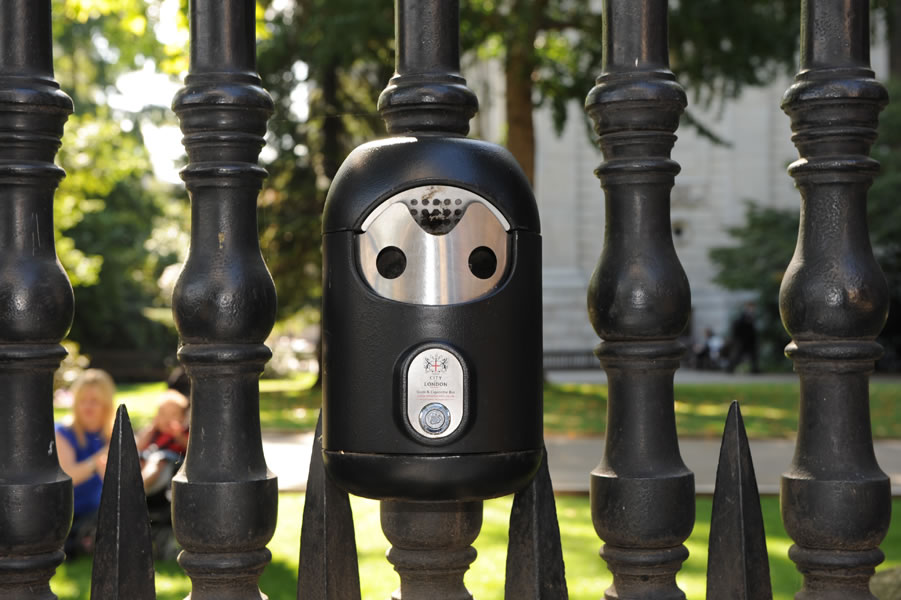
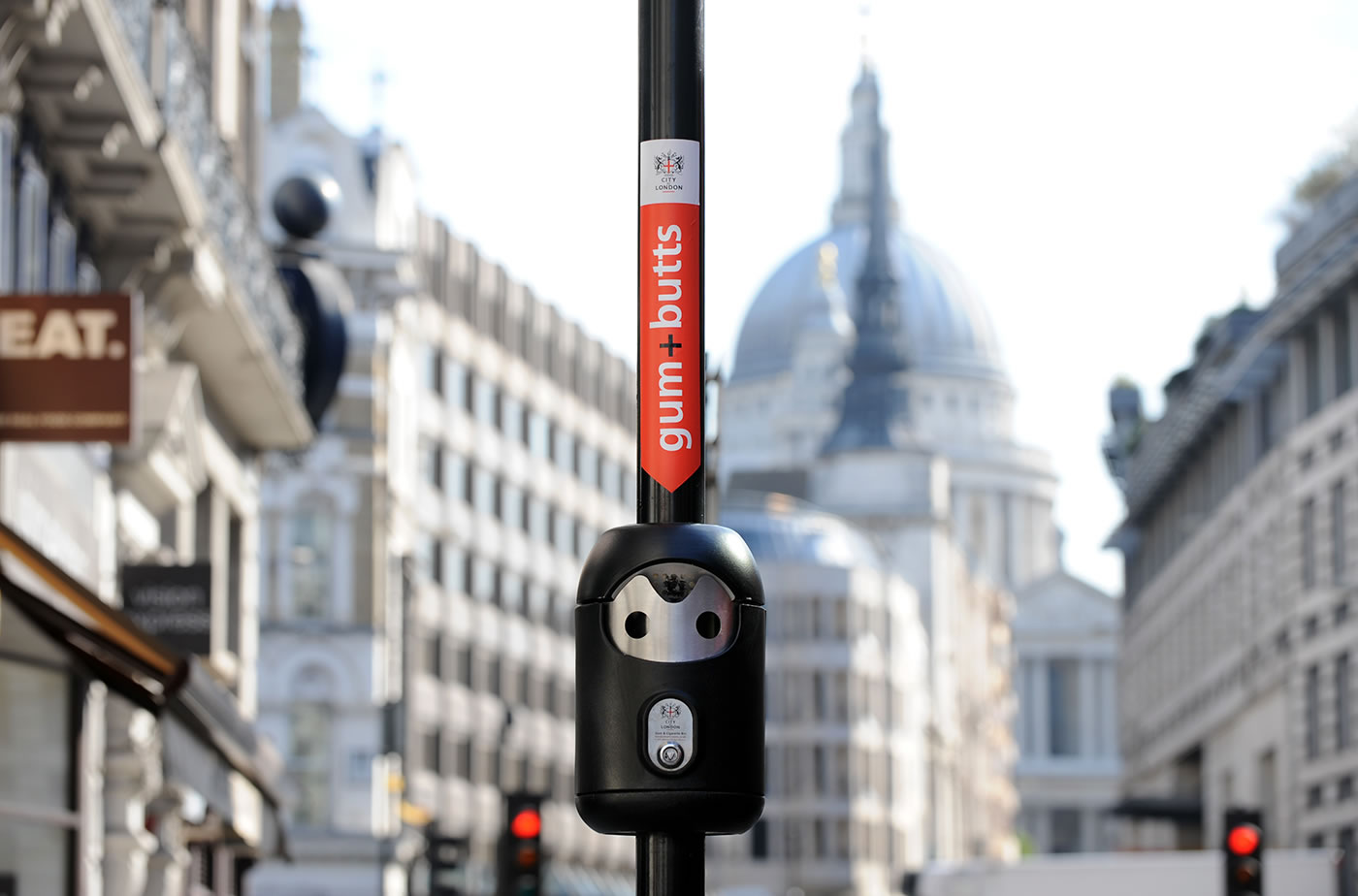
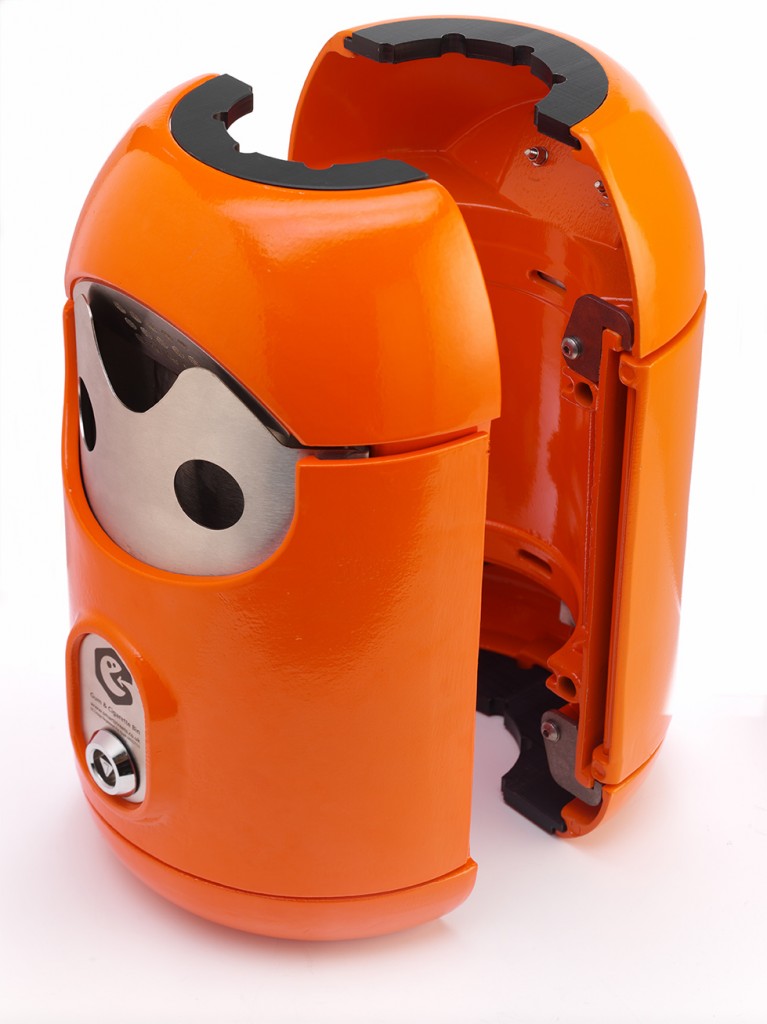
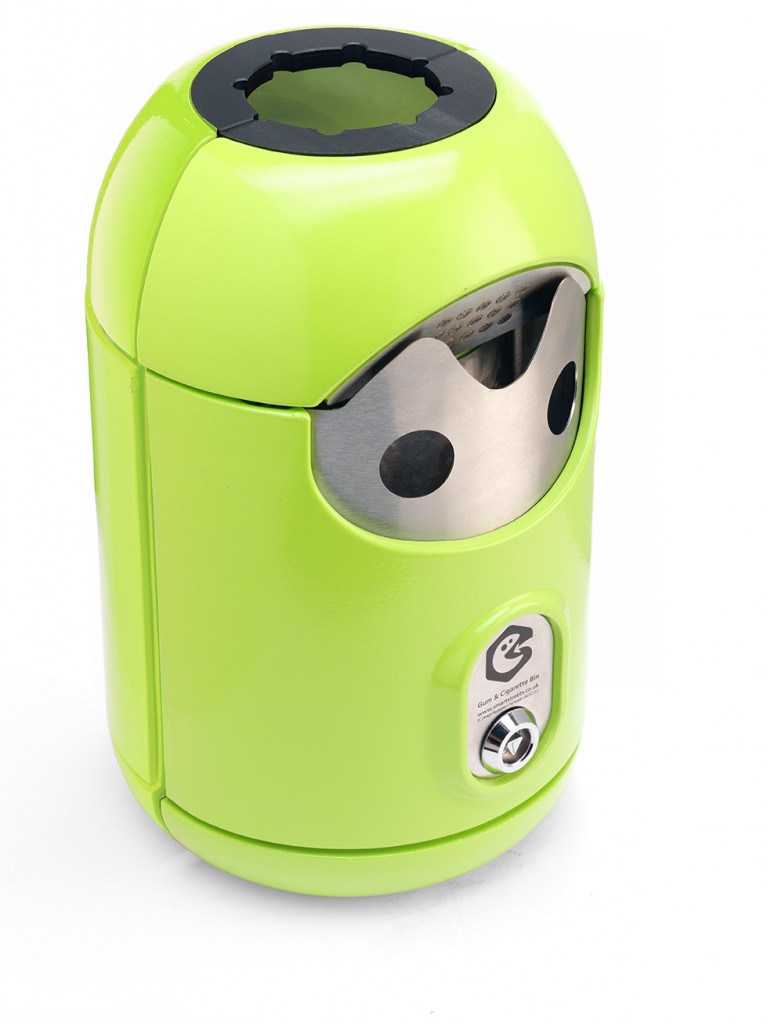
Smartstreets designed a micro-litter bin and fixing system that uses existing lamp posts and sign posts. These familiar, recurring features of the street can provide a recognisable network of disposal points without installing additional freestanding furniture.
In high-footfall litter hotspots, a coordinated scheme can bring disposal facilities closer to where cigarettes are finished and gum is discarded. A survey identifies suitable posts, spacing and fitting requirements, while considering pedestrian access and servicing.
Research links greater distance from a suitable receptacle with increased cigarette littering. The practical principle is simple: make considerate disposal easier at the moment it is needed.
Read the Keep America Beautiful littering-behaviour research (2009, PDF) ↗
Opportunities to improve disposal provision
- Cigarette bins inconsistently located
- Suitable bins hard to find when needed
- Cigarette bins spaced too far apart
- Fires caused by cigarettes entering large litter bins
- Over-reliance on sweeping and vacuuming cigarette ends
Cigarette litter: the hidden environmental challenge
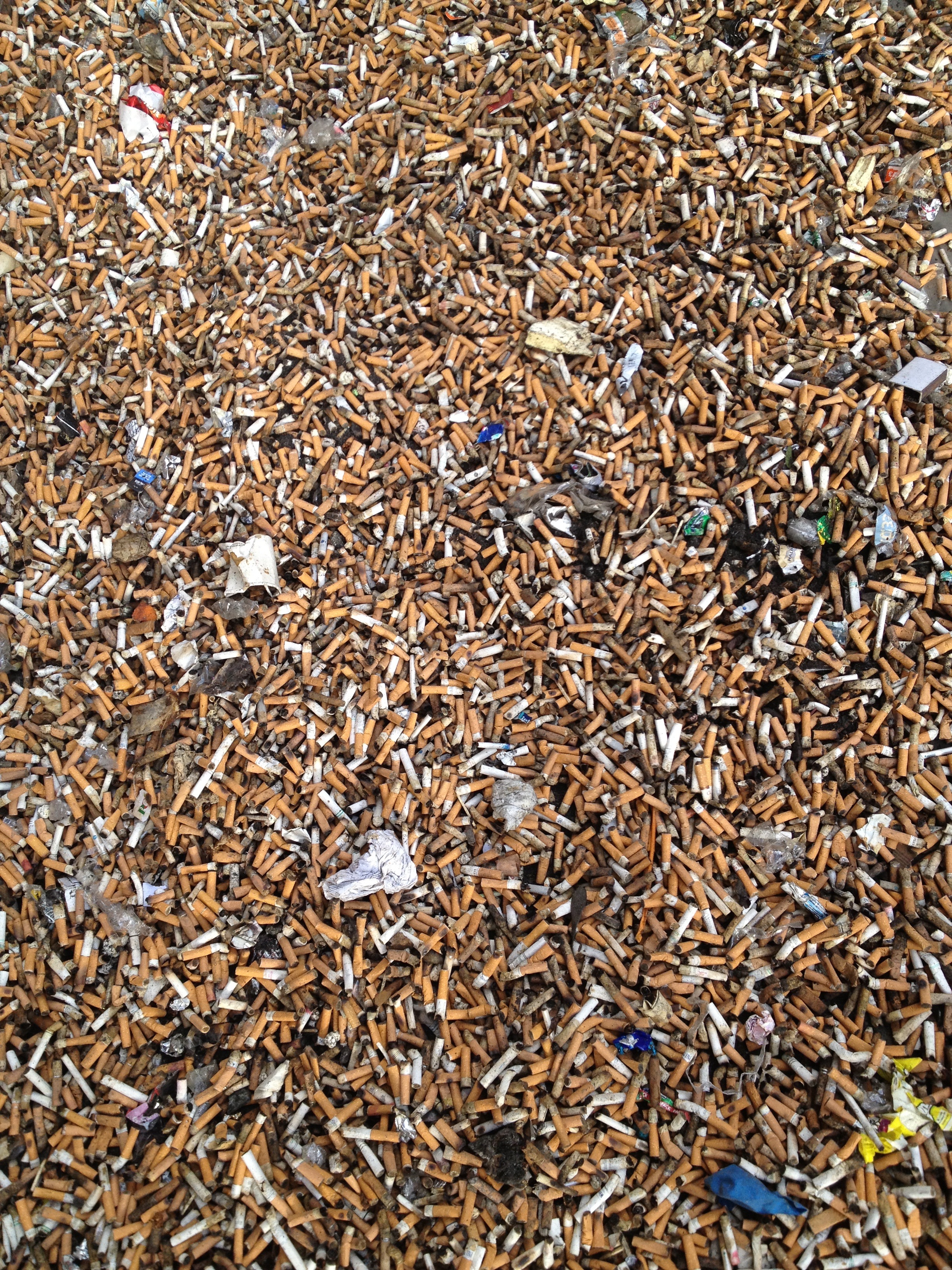
Cigarette litter is a persistent form of micro litter. Its impact is visual, environmental and economic: filters can persist for years, contain plastic and can release contaminants into the environment, while local authorities and private landowners face continued costs for sweeping, vacuuming and manual removal.
A broader response
Awareness campaigns, enforcement, community clean-up activity and recycling initiatives all have a role. But prevention also depends on making safe disposal easier at the precise moment it is needed.
Innovation in prevention
Smartstreets-Smartbins clamp to existing lamp posts, sign posts and other infrastructure so comprehensive networks can be created without filling the street with additional freestanding furniture. That makes them particularly relevant where visual clutter and conservation considerations matter.
What makes a network effective?
- Position disposal points at natural congregation and transition points.
- Make them consistently visible and easy to recognise.
- Provide enough density that a safe disposal point is available when needed.
- Maintain them on a predictable servicing schedule.
- Support infrastructure with clear communication and local campaigns.